

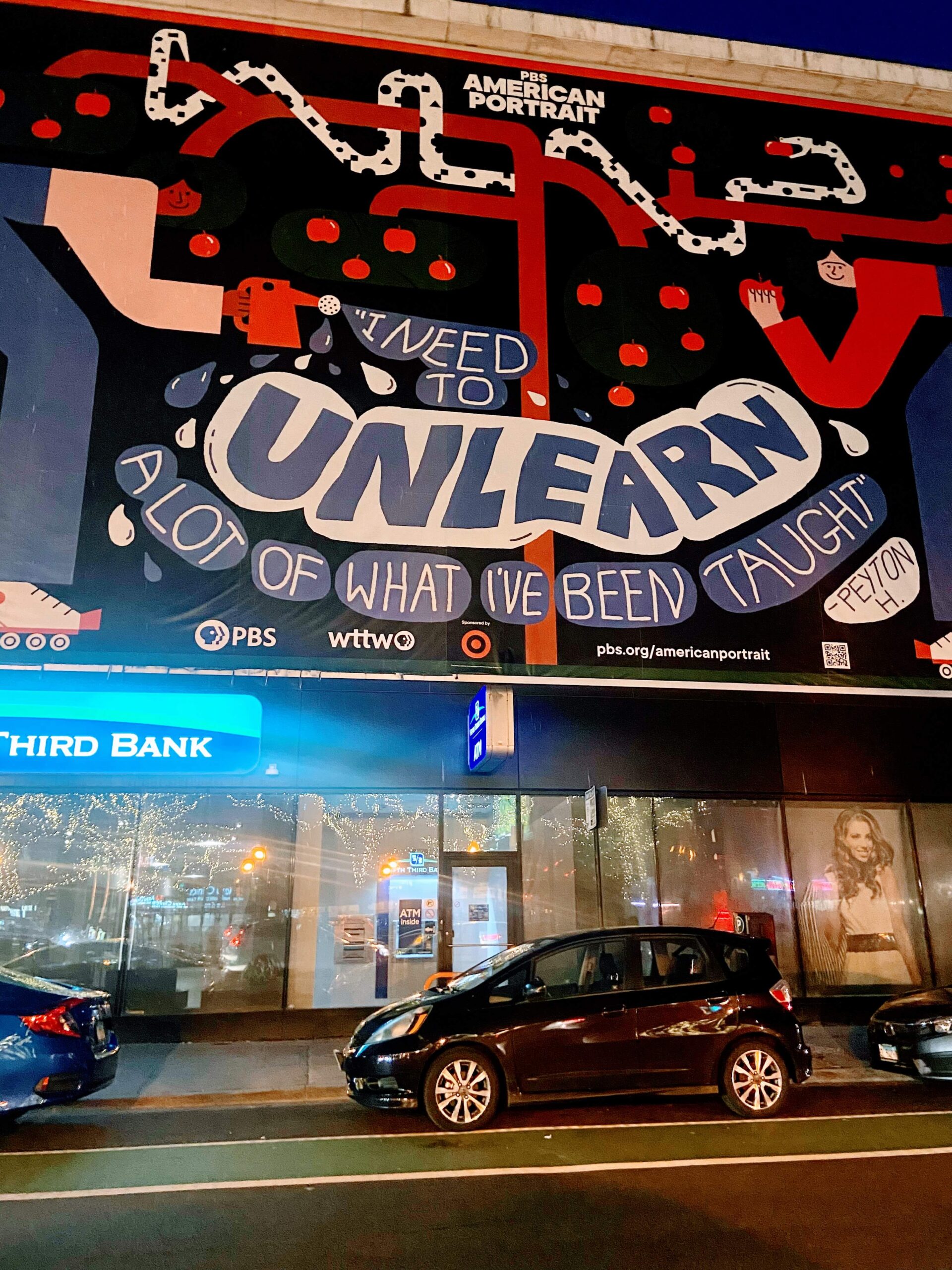
The 21st Century Skills is a conceptual framework of skills that emerged in 2009, with the purpose of identifying what skills would be needed throughout the transition from industrial age to information age. This article discusses how creativity is at the core of the 21st century skills framework.
What Are 21st Century Skills?
“21st century skills” refer to a set of cognitive, interpersonal, and intrapersonal abilities identified as vital for navigating modern life and work. The most commonly referenced frameworks—such as the Partnership for 21st Century Learning (P21) and the World Economic Forum—emphasize a core set of “4 Cs”:
Critical thinking
Creativity
Collaboration
Communication
These are often accompanied by complementary competencies like digital literacy, adaptability, empathy, and metacognition. The throughline is clear: the ability to think dynamically, work across differences, and generate novel ideas is now more valuable than memorizing static content.
Automation and the Future of Work
The pressure to develop 21st century skills is not simply philosophical—it’s economic.
As automation, artificial intelligence, and machine learning replace routine and rules-based tasks, the demand for uniquely human skills is rising. According to the McKinsey Global Institute, up to 375 million workers may need to switch occupational categories by 2030 due to automation’s impact on the labor market (Manyika et al., 2017). The World Economic Forum similarly projects that by 2025, analytical thinking, creativity, and flexibility will be among the most in-demand skills across all industries.
In short, we’re no longer preparing people for jobs that exist—we’re preparing them to adapt, reinvent, and collaborate in a landscape that is constantly shifting.
“While machines are becoming better than humans at predictable and repetitive tasks, they lag behind in areas such as creativity, contextual understanding, and emotional intelligence.” — World Economic Forum, 2020
This is where creativity becomes not just a bonus skill—but a survival skill.
Why Creativity Matters Now More Than Ever
Among the 4 Cs, creativity is both the most intangible and the most transformative. It is the spark that allows teams to innovate, reframe problems, and stay agile amid disruption.
And yet—most workplaces and schools still treat creativity as unteachable. They default to vague brainstorming exercises or silo creativity within the arts, rather than cultivating it as a universal cognitive capacity.
But research suggests creativity can be taught. The Torrance Tests of Creative Thinking and the work of scholars like Robert and Michèle Root-Bernstein show that creativity draws on specific, repeatable thinking tools—like analogizing, empathizing, playing, and transforming.
When we treat creativity as a structured practice rather than a mysterious talent, we open the door for individuals and teams to reclaim it with clarity and confidence.
Creativity as the Connector
Creativity doesn’t stand alone—it connects and amplifies every other 21st century skill:
Critical thinking asks: Is this idea valid?
Creativity asks: What else is possible?
Communication conveys a message.
Creativity shapes the message in unexpected, resonant ways.
Collaboration depends on trust and shared purpose.
Creativity generates the kind of ideas people want to rally behind.
In this way, creativity acts as the engine of adaptive intelligence, turning uncertainty into opportunity.
Who’s Leading—and Who’s Lagging
Some institutions and organizations are rising to the challenge.
Finland’s national curriculum centers project-based, interdisciplinary learning.
Companies like IBM and Adobe have invested in internal design thinking and creativity programs.
Innovative charter schools and arts-integrated programs show promising outcomes in student engagement and problem-solving skills.
Yet many U.S. public schools remain locked in outdated systems—tied to standardized testing and curriculum mandates that reward compliance over curiosity. In the corporate world, creativity training is often siloed within marketing departments or used as a one-off event, rather than embedded as a strategic priority across teams.
A Call to Action
The future won’t reward those who can memorize the most facts—it will reward those who can think for themselves, work well with others, and imagine new paths forward.
Teaching creativity isn’t about turning everyone into an artist. It’s about helping people stay present, think expansively, and make bold, humane decisions in an age of automation.
The question isn’t should we teach 21st century skills. It’s: how soon can we start—and who’s brave enough to lead?
References
Manyika, J., et al. (2017). Jobs lost, jobs gained: Workforce transitions in a time of automation. McKinsey Global Institute.
World Economic Forum. (2020). The Future of Jobs Report 2020.
Partnership for 21st Century Learning (P21). Framework for 21st Century Learning.
LinkedIn Learning. (2020). Workplace Learning Report.
Root-Bernstein, R. & Root-Bernstein, M. (1999). Sparks of Genius: The 13 Thinking Tools of the World’s Most Creative People.
Adobe & Forrester Consulting. (2014). The Creativity Gap: Creative Professionals Say Their Field Is Changing Rapidly, But Companies Aren’t Keeping Up.
© 2025 Andrea Merello. All rights reserved. Please do not reproduce this content without permission.
